
Broodiness and stopping broodiness
Broodiness is a natural reproductive process in laying hens, whose biological purpose is to bring a new generation into the world — which is why hens lay eggs. This process is controlled by hormones and influenced by many factors. However, a broody hen stops laying eggs, and a brooding period (which can last several weeks) means the loss of dozens of eggs for the farmer.
Commercial laying hens are bred for the highest possible egg production, and broodiness is considered an undesirable trait. For generations, broodiness has been systematically suppressed through selective breeding, because a hen that sits on eggs stops laying for a certain period, resulting in reduced egg production. In modern commercial flocks, broodiness is therefore rather rare. Nevertheless, it can still occur, especially in less common hybrid combinations or certain color varieties where selection pressure against maternal instinct has not been as strong.
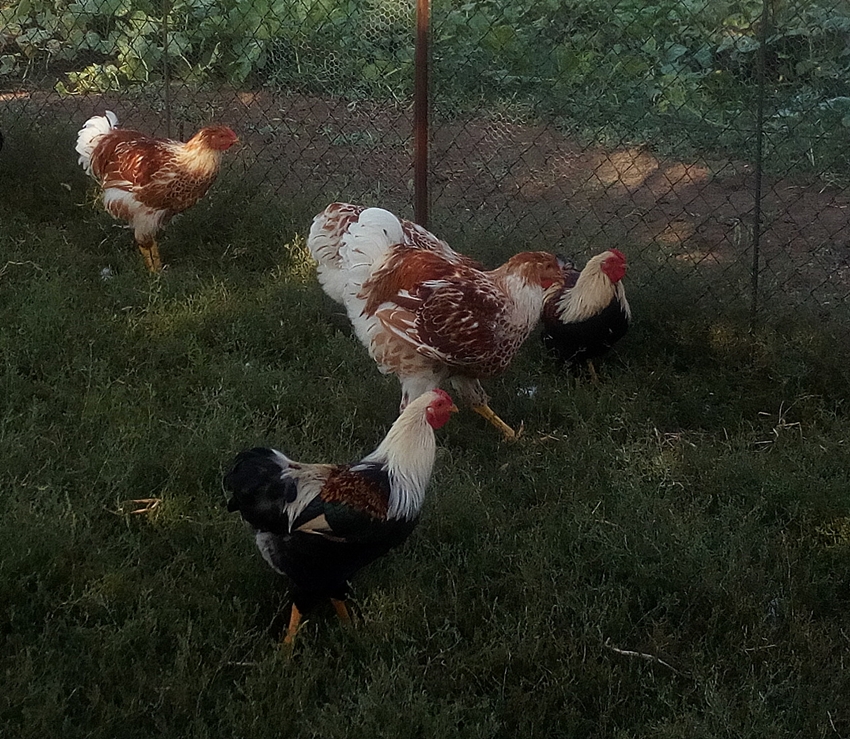
The absence of broodiness — or, conversely, strongly developed maternal instincts — is largely a breed characteristic. In traditional breeds, especially heavier dual-purpose or meat breeds, as well as many bantam breeds, natural instincts are preserved. These hens go broody more often, sometimes even repeatedly within one season. Once a hen lays a certain number of eggs, hormonal changes trigger broodiness. Her behavior and vocalization change — instead of regular clucking, she produces a deeper, muted “cluck-cluck,” fluffs up her feathers, stays in the nest, and defends it against other hens. If given the opportunity, she will sit on the eggs for the entire incubation period, which for chicken eggs lasts approximately 21 days. After the chicks hatch, she cares for them for about another month — keeping them warm, leading them to food, and protecting them from danger.
If broodiness is undesirable — which is the case when we do not intend to raise chicks — it is necessary to act as soon as possible. The hen should not be allowed access to a full nest of eggs or a quiet place to sit. At the first signs of broodiness, she should be separated from the flock and placed in a so-called “broody-breaking cage.” This cage should be well-ventilated, ideally with a wire or slatted floor so the hen cannot sit comfortably and the underside of her body cools down. It is recommended to suspend the cage above the ground to allow air circulation. During broodiness, a hen has an elevated body temperature, and cooling helps stop the hormonal process. Feed may be slightly reduced for a few days, but fresh water must always be available. Broodiness usually subsides within a few days.
Hormonal treatments that interfere with the hen’s reproductive cycle can also be used to suppress broodiness. However, in small-scale or backyard farming, this method is rarely used due to cost and preference for more natural management.
If, on the other hand, we decide to use broodiness for natural hatching, it is important to know the basic rules. The length of incubation depends on the type of egg:
- Chicken eggs hatch in 21 days
- Duck eggs in approximately 28 days
- Goose eggs in 30–32 days
One broody hen can incubate approximately 12–15 chicken eggs, 9–11 duck eggs, or about 5 goose eggs, depending on the size of the hen and the season.
The nest should be placed in a dark, quiet location without drafts. Bedding such as straw or wood shavings is suitable, and before placing fertile eggs, it is advisable to test the hen’s commitment using dummy eggs. The hen must have easy access to water and feed near the nest. Care mainly involves regular checks to ensure she is eating and drinking. Most hens leave the nest briefly once a day to drink, eat, and defecate. A broody hen naturally turns the eggs, ensuring even embryo development. Adequate humidity is also important for proper hatching. The advantage of natural rearing is that the hen maintains optimal conditions herself and provides warmth and protection after the chicks hatch.
Frequently asked questions
-
1. How long does a broody hen sit on eggs?
A broody hen sits on chicken eggs for 21 days.
- Days 1–18: the eggs are incubated
- Last 3 days: the chicks hatch
- Ideal temperature under the hen: approx. 37–38 °C (98.6–100.4 °F)
- The hen gets up briefly each day (to drink and relieve herself)
-
How long does a hen sit on chicken eggs?
For chicken eggs → 21 days.
This applies to almost all chicken breeds.
-
How long does a hen (or turkey) sit on turkey eggs?
A hen can also hatch turkey eggs.
- Turkey eggs: 28 days
Important:
- The hen must be a strong broody hen
- Place fewer eggs under her (they are larger than chicken eggs)
- Ensure peace and dryness
-
How long does a hen sit on goose eggs?
- Goose eggs: 30–31 days
A hen can hatch them, but:
- Goose eggs are large → she can manage fewer (e.g., 3–5 eggs)
- They require higher humidity
- Success rates are usually lower than with a goose
For goose eggs, a goose or an incubator is preferable, but a hen can manage.
-
How to prepare a nest for a broody hen?
A proper nest is very important.
Location:
- Quiet, slightly dark place
- Separate from other hens
- Free from drafts
Size:
- Approx. 35 × 35 cm (14 × 14 in) for a hen
- Higher edge to prevent eggs from rolling out
Bedding:
- Straw or wood shavings
- Slightly shape a hollow in the center
- Keep dry and clean
Care:
- Separate the broody hen from others
- Provide water and feed nearby
- Check eggs regularly (remove broken ones immediately)
Související články
2. září 2026
Zveřejnil: Ing. Lucie Humeni
Pokud chováte slepice, možná právě na přelomu léta a podzimu pozorujete změnu, která dokáže překvapit i zkušené chovatele. V kurníku přibývá peří, slepice vypadají „oškubaně“ a zároveň snášejí méně vajec. Někdy snáška klesne jen mírně, jindy se může na určitou dobu téměř zastavit. Ve většině případů nejde o nemoc, ale o přirozený proces – přepeřování.
5. srpna 2026
Zveřejnil: Ing. Lucie Humeni
Drůbež patří mezi hospodářská zvířata s velmi intenzivním metabolismem (látkovou přeměnou), který je základem její vysoké užitkovosti. Rychlý růst brojlerů, vysoká produkce vajec u nosnic, nebo dobrá reprodukční schopnost chovných zvířat, jsou výsledkem dlouhodobého šlechtění, kvalitní výživy a správného managementu chovu. Současně však tato vysoká výkonnost znamená, že organismus pracuje s vysokými nároky na energii,…
4. června 2026
Zveřejnil: Ing. Lucie Humeni
Oklovávání peří a následný kanibalismus patří mezi nejzávažnější behaviorální poruchy v chovech nosnic, které mohou způsobit výraznou ekonomickou ztrátu (např. snížení snášky, zhoršení konverze krmiva a vyšší mortalita).
27. května 2026
Zveřejnil: Ing. Lucie Humeni
V praxi malochovů se pojmem grit označuje nerozpustný minerální materiál, který drůbež přijímá za účelem mechanického zpracování krmiva v trávicím traktu. Jde tedy o fyzikálně působící složku, která napomáhá trávení. Typicky se jedná o drobné kamínky (často křemičitý štěrk). Na druhé straně tu máme vápenec (uhličitan vápenatý), který však plní i nutriční funkci, protože je…
2. března 2026
Zveřejnil: Ing. Lucie Humeni
Naklíčené obiloviny jsou jednoduchým způsobem, jak obohatit krmnou dávku především u drůbeže. Díky procesu klíčení se zvyšuje stravitelnost živin a zlepšuje jejich využitelnost. Nejde však o náhradu kompletní krmné směsi, ale o vhodný doplněk při správném a hygienickém použití.
Související produkty
DRŮBEŽ UNI 30
Sypký koncentrát pro výkrm všech kategorií drůbeže, který obsahuje sóju nejvyšší kvality. Míchá se s obilím v poměru 20 – 40 % (dle druhu nebo fáze výkrmu). Přispívá k rychlému růstu a vysoké zmasilosti. Neobsahuje kokcidiostatikum. Lze použít také pro krmení slepic.
NOSNICE REPRO
Granulované krmivo pro plemenné nosnice. Podporuje vyšší líhnivost a zdárný vývoj embrya. Lze použít i pro ostatní kategorie drůbeže. Doporučuje se zkrmovat 1 – 2 měsíce před očekávanou snáškou.
NOSNICE GOLD
Granulované krmivo pro nosnice ve snášce. Podpora vysoké snášky vajec s pevnou skořápkou a krásnou barvou žloutku. Obohaceno o komplex přírodních látek, který působí proti čmelíkovi kuřímu, podporuje detoxikaci, zdraví jater a prevenci střevních parazitů. Navazuje po zkrmování směsi Kuře MIDI. Krmivo podávejte celoročně pro dlouhodobou ochranu.
NOSNICE KLASIK
Sypká krmná směs určená pro nosnice ve snášce. Svoji hrubě šrotovanou strukturou přispívá k maximální užitkovosti.
KUŘE MIDI
Od 5. týdne do konce 20. týdne stáří kuřic. Navazuje na zkrmování směsi Kuře MINI. Svým složením napomáhá ke správnému rozvoji organismu a k budoucí vysoké užitkovosti. Neobsahuje kokcidiostatikum. Vyrábí se ve dvojí formě, granulované a sypké.
KUŘE MINI
Drcená krmná směs bez kokcidiostatik. Vhodná pro odchov kuřic nosného typu do konce 4. týdne věku. Obsahuje vyvážený poměr živin podporující správný vývoj kuřat. Pro odchov kuřat je následující směsí KUŘE MIDI.