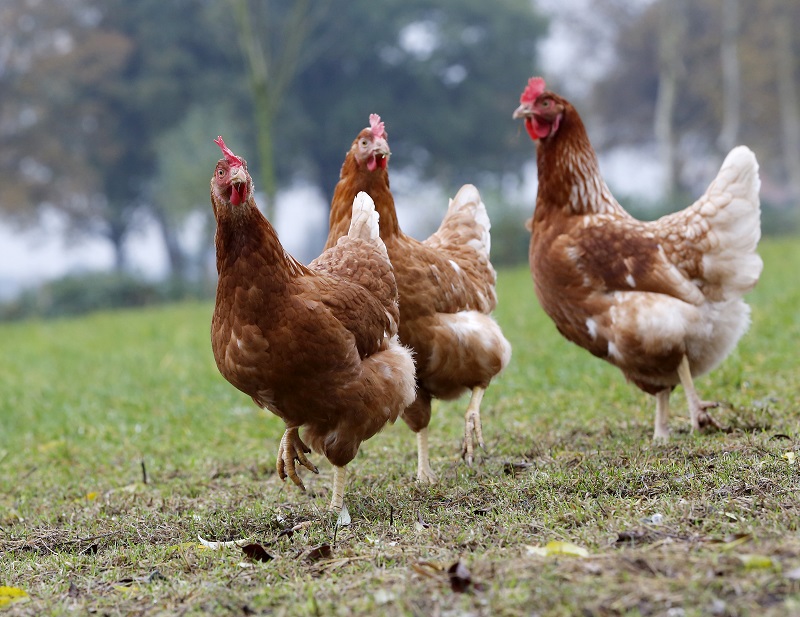
What breeds of hens are suitable for beginners?
Chicken is the most widespread bird species in the world, so it’s no surprise that choosing the ideal breed for your backyard can feel overwhelming. Each breed has slightly different needs — and unfortunately, beginners who choose the wrong breed may not always be able to provide what their hens require. So how do you make the right decision, and which chicken breeds are suitable to choose from?
Ask yourself first
To make the best choice for both you and your chickens, start by asking yourself a few simple but important questions. How much time are you willing and able to devote to them? How much space do you have, and what kind of housing setup is available? And why do you want to keep chickens in the first place? For beginners, we recommend breeds that require less time and care.
For your satisfaction and theirs
An ideal beginner-friendly hen should be calm and reasonably easy to handle. You probably also want a chicken that lays plenty of eggs each year without consuming excessive amounts of feed. The breed you choose should not be highly susceptible to diseases and should be easy to care for if health issues arise. Does such a perfect chicken exist? Yes — and there’s more than one.
Overview of chicken breeds for beginners
Leghorn
The Leghorn is one of the most well-known white chicken breeds in the world. If you are looking for a hardworking layer, this breed is an excellent choice — it produces around 180 white-shelled eggs per year. Originally from Italy, the Leghorn was specifically bred for high egg production. Weighing around 2 kg, it belongs to the lightweight breeds. Its distinctive bright yellow legs are a typical feature. Be aware that Leghorns can be flighty, although this usually decreases over time. If necessary, you can trim their wings.
Czech golden spotted hen
This breed belongs to the lighter chicken breeds and adapts very well to local climate conditions. They are ideal for free-range environments, where they can find part of their own food, reducing feed costs. They are relatively hardy, continue laying even in winter, and naturally resist many diseases. They also have a strong maternal instinct and lay around 180 eggs per year.
Plymouth rock
A highly popular and productive breed is the Plymouth Rock. These hens are intelligent and can forage for some of their food in larger outdoor runs. They produce approximately 180–210 light brown eggs annually and continue laying throughout the winter months. Their calm nature also makes them a favorite among children.
Plymouth Rocks were originally bred in America. In addition to their reliable egg production, they are valued for their tender and juicy meat. Weighing around 2.3–2.9 kg, they are considered a medium-heavy breed with small heads, long yellow legs, and broad bodies.
Hybrid chickens
Hybrid hens were developed from standard breeds to produce as many eggs as possible while consuming minimal feed. Home breeding of hybrids is generally not recommended because their offspring tend to have lower productivity. Compared to traditional breeds, hybrids produce significantly more eggs — around 300 per year — but are usually removed from home flocks after about 1.5 years. Traditional breeds may lay fewer eggs (around 200 annually), but they can remain productive for up to three years and can be bred at home while maintaining egg production qualities.
The variety of laying hybrids is extensive, both in feather colors — with red, blue, and barred varieties being especially popular — and eggshell colors. Some hybrids even produce green, blue, or dark brown eggs.
Now all that remains is to choose the right breed, provide proper care, and enjoy your own fresh homemade eggs prepared any way you like.
Frequently Asked Questions
-
Which chicken breeds are the best egg layers?
The best egg-laying chickens are hybrid layers such as ISA Brown, Lohmann Brown, and Dekalb White.
- 300–330 eggs per year
- Start laying at around 18–20 weeks
- Extremely high productivity
Among purebred breeds, these are also excellent layers:
- Leghorn
- Sussex
- Rhode Island Red
-
How many eggs does a Leghorn lay?
The White Leghorn produces:
- 250–300 eggs per year
- White eggs
- Starts laying at around 5 months of age
- Lower feed consumption
- Lightweight breed (approximately 1.8–2.2 kg)
It is one of the best purebred laying breeds available.
-
Are hybrid hens better than purebred breeds?
It depends on your goals.
Advantages of hybrids:
- Higher egg production (up to 330 eggs per year)
- Early start to laying
- Consistent production
- Better feed efficiency
Disadvantages:
- Shorter productive lifespan, best performance for 1–2 years
- Cannot be effectively bred at home, as future generations lose productivity
Advantages of purebred breeds:
- Can be bred at home
- Longer lifespan
- Often calmer and more resilient
- Suitable for meat production as well
Summary:
- For maximum egg production → hybrids
- For self-sufficiency and home breeding → purebred breeds
-
Which Czech chicken breed lays the most eggs?
The best Czech laying breed is:
Czech Golden Spotted Hen
- 180–220 eggs per year
- Very hardy
- Excellent for free-range systems
- Lightweight breed
Other Czech breeds:
- Czech Hen varieties — around 160–200 eggs per year
In general, Czech breeds do not lay as many eggs as hybrids, but they are hardy and well-suited for backyard conditions.
-
Which chicken breed is best for beginners?
Recommended beginner-friendly breeds include:
Brown hybrid layers
- Undemanding
- Calm temperament
- High egg production
- Tolerant of beginner mistakes
Leghorn
- Small, lightweight breed
- Specifically bred for egg production
- Non-aggressive temperament
Plymouth Rock
- Hardy
- Excellent for free-range systems and highly trainable
- Under good conditions, lays around 180–220 large eggs per year continuously throughout the year
Související články
21. října 2026
Zveřejnil: Ing. Lucie Humeni
Kvalita vajec není náhoda. Vzniká jako přímý odraz toho, co nosnice dlouhodobě přijímá v krmivu.
2. září 2026
Zveřejnil: Ing. Lucie Humeni
Pokud chováte slepice, možná právě na přelomu léta a podzimu pozorujete změnu, která dokáže překvapit i zkušené chovatele. V kurníku přibývá peří, slepice vypadají „oškubaně“ a zároveň snášejí méně vajec. Někdy snáška klesne jen mírně, jindy se může na určitou dobu téměř zastavit. Ve většině případů nejde o nemoc, ale o přirozený proces – přepeřování.
5. srpna 2026
Zveřejnil: Ing. Lucie Humeni
Drůbež patří mezi hospodářská zvířata s velmi intenzivním metabolismem (látkovou přeměnou), který je základem její vysoké užitkovosti. Rychlý růst brojlerů, vysoká produkce vajec u nosnic, nebo dobrá reprodukční schopnost chovných zvířat, jsou výsledkem dlouhodobého šlechtění, kvalitní výživy a správného managementu chovu. Současně však tato vysoká výkonnost znamená, že organismus pracuje s vysokými nároky na energii,…
4. června 2026
Zveřejnil: Ing. Lucie Humeni
Oklovávání peří a následný kanibalismus patří mezi nejzávažnější behaviorální poruchy v chovech nosnic, které mohou způsobit výraznou ekonomickou ztrátu (např. snížení snášky, zhoršení konverze krmiva a vyšší mortalita).
27. května 2026
Zveřejnil: Ing. Lucie Humeni
V praxi malochovů se pojmem grit označuje nerozpustný minerální materiál, který drůbež přijímá za účelem mechanického zpracování krmiva v trávicím traktu. Jde tedy o fyzikálně působící složku, která napomáhá trávení. Typicky se jedná o drobné kamínky (často křemičitý štěrk). Na druhé straně tu máme vápenec (uhličitan vápenatý), který však plní i nutriční funkci, protože je…
Související produkty
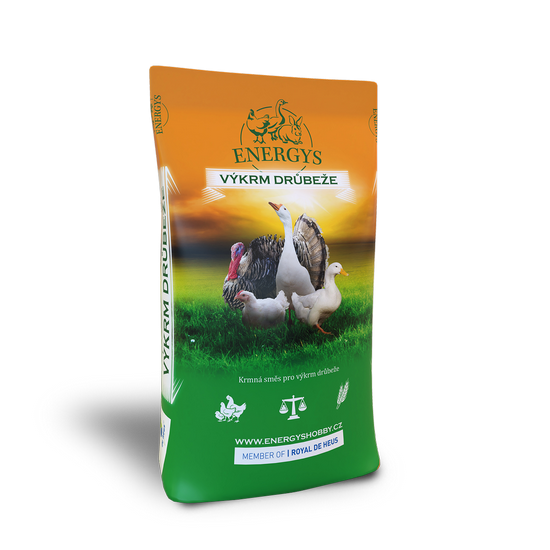
DRŮBEŽ UNI 30
Sypký koncentrát pro výkrm všech kategorií drůbeže, který obsahuje sóju nejvyšší kvality. Míchá se s obilím v poměru 20 – 40 % (dle druhu nebo fáze výkrmu). Přispívá k rychlému růstu a vysoké zmasilosti. Neobsahuje kokcidiostatikum. Lze použít také pro krmení slepic.
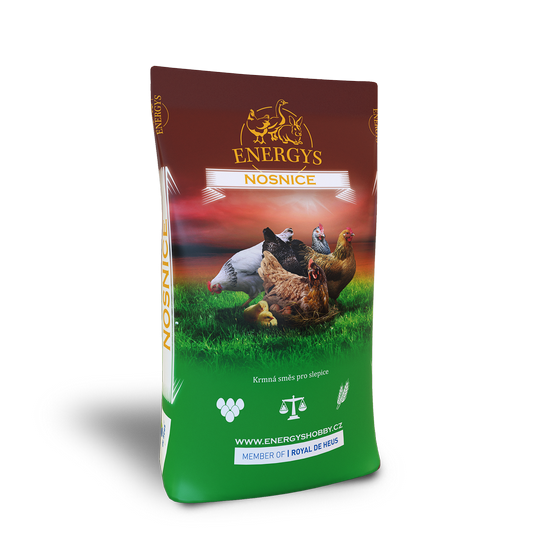
NOSNICE REPRO
Granulované krmivo pro plemenné nosnice. Podporuje vyšší líhnivost a zdárný vývoj embrya. Lze použít i pro ostatní kategorie drůbeže. Doporučuje se zkrmovat 1 – 2 měsíce před očekávanou snáškou.
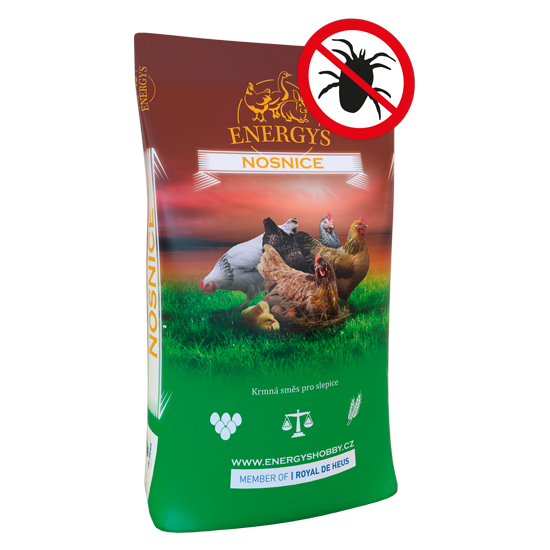
NOSNICE GOLD
Granulované krmivo pro nosnice ve snášce. Podpora vysoké snášky vajec s pevnou skořápkou a krásnou barvou žloutku. Obohaceno o komplex přírodních látek, který působí proti čmelíkovi kuřímu, podporuje detoxikaci, zdraví jater a prevenci střevních parazitů. Navazuje po zkrmování směsi Kuře MIDI. Krmivo podávejte celoročně pro dlouhodobou ochranu.
NOSNICE KLASIK
Sypká krmná směs určená pro nosnice ve snášce. Svoji hrubě šrotovanou strukturou přispívá k maximální užitkovosti.
KUŘE MIDI
Od 5. týdne do konce 20. týdne stáří kuřic. Navazuje na zkrmování směsi Kuře MINI. Svým složením napomáhá ke správnému rozvoji organismu a k budoucí vysoké užitkovosti. Neobsahuje kokcidiostatikum. Vyrábí se ve dvojí formě, granulované a sypké.
KUŘE MINI
Drcená krmná směs bez kokcidiostatik. Vhodná pro odchov kuřic nosného typu do konce 4. týdne věku. Obsahuje vyvážený poměr živin podporující správný vývoj kuřat. Pro odchov kuřat je následující směsí KUŘE MIDI.