Breeding and fattening ostriches
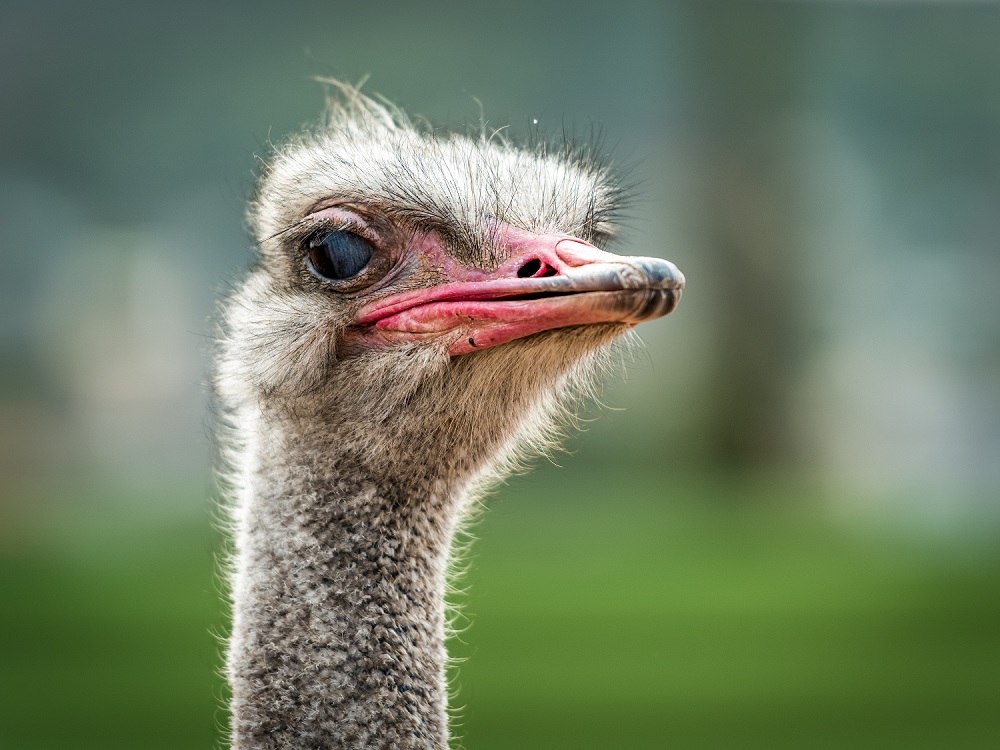
ust twenty-five years ago, few people would have believed that ostriches would become commonly farmed livestock in our country. Today, however, ostrich farms are no longer a rarity, and interest in ostrich breeding continues to grow. The reason lies not only in the appeal of these impressive birds, but also in the high-quality ostrich meat, valuable ostrich eggs, and other products. What are the possibilities for ostrich breeding and fattening?
The breeding of these largest representatives of the bird kingdom spread from the African continent, where the first ostrich farms with domesticated birds were established, to other parts of the world, including the USA and Europe. It can therefore be assumed that the domesticated African representative of the ratites will meet a different fate from the giant birds of Madagascar that became extinct several centuries ago.
Ostriches and other ratites
Ostrich farming spread from Africa, where the first farms with domesticated birds were founded, to the USA and Europe. The most important species is the African ostrich (common ostrich), but farms may also keep the South American rhea or the Australian species commonly known as the emu ostrich (correctly the emu).
All these birds belong to the superorder Ratitae. They are flightless birds that move exclusively with the help of strong, long legs. Typical features of ratites include a paleognathous skull structure, a specifically shaped pelvis, uneven body feathering, and a distinctive reproductive strategy in which the male often cares for the eggs and chicks. Their powerful limbs allow them to reach high speeds and adapt well to various environmental conditions.
Suitable feed for ostriches
Although ostriches are often considered herbivores, in the wild they also consume insects, small vertebrates, and bird eggs. From plant-based food, they mainly seek out leaves of dicotyledonous plants, seeds, and berries.
Under farm conditions, adult birds are fed complete pelleted feeds that are nutritionally balanced and tailored to their needs. The feed ration should be supplemented with fresh green forage, vegetables, apples, or root crops. A sufficient amount of fibre supports the proper functioning of the digestive system.
Chicks and young birds require higher protein levels, which are essential for rapid growth. An adequate supply of minerals, especially calcium and phosphorus, is also important not only for proper skeletal development but also for strong eggshell quality in laying females producing ostrich eggs.
For proper digestion, ostriches need small stones or sand to help mechanically grind food in their muscular stomach. If they do not have access to a natural source, grit must be provided. Continuous access to fresh water is essential, with consumption depending on environmental temperature and the type of feed.
Ratites kept on farms and in hobby breeding
African Ostrich (Common Ostrich)
From an agricultural perspective, the most important species is the African ostrich. Adult birds can weigh up to 150 kg and are among the largest living birds in the world. Although they cannot fly, they compensate with excellent eyesight, hearing, and speed — over short distances they can run at speeds exceeding 50 km/h.
The male has characteristic black-and-white plumage with striking feathers on the wings and tail, while the female is brownish-grey. The neck and legs are almost featherless. Ostrich chicks grow rapidly — at six months they may weigh up to 50 kg, and during the following six months they nearly double their weight. Females reach sexual maturity at two to three years of age, while males mature about a year later.
The main product of ostrich farming is high-quality ostrich meat, valued for its low fat content, high protein level, and favourable nutritional properties. Besides meat, ostrich eggs, leather, and feathers are also economically significant.
Greater Rhea
A smaller species suitable for both commercial and hobby breeding is the greater rhea, native to the South American steppes and savannas. It usually weighs up to 30 kg and is therefore considerably lighter than the African ostrich. Its plumage is grey-brown, with females generally lighter in colour than males. However, its feeding requirements and lifestyle do not differ significantly from those of its larger relative.
An interesting fact is the existence of a free-living rhea population in northern Germany, where the birds spread after escaping from a farm and successfully adapted to local conditions.
Emu
Another farmed species is the emu, often incorrectly referred to as the “emu ostrich.” This Australian ratite reaches a weight of around 50 kg. It has brown, shaggy feathers and bluish skin on the neck. The emu adapts well to the climatic conditions of Central Europe and is relatively undemanding in terms of breeding and feeding.
As with the African ostrich, both meat and eggs are of commercial interest, and emu farming may represent an attractive option for diversifying agricultural production.
Prospects for Breeding
The breeding of ostriches and other ratites represents an interesting combination of unconventional farming and the production of highly valuable food products. Whether it is ostrich meat, large and nutritious ostrich eggs, or breeding species such as the emu, proper nutrition and suitable housing conditions are the foundation of success. With appropriate care and management, these impressive birds can become a stable and promising part of both modern farms and smaller hobby holdings.
Frequently Asked Questions
-
What food do ostriches prefer?
Ostriches are not strict herbivores. In the wild, they also feed on insects, small mammals, lizards, and occasionally bird eggs. Among plant foods, they prefer leaves of dicotyledonous plants, as well as seeds and berries. In captivity, adult ostriches are most commonly fed complete pelleted feed supplemented with fresh green forage, vegetables, apples, and root crops.
-
How much food does an ostrich eat?
An adult ostrich consumes on average 2 to 3 kg of feed per day. Intake depends on age, body weight, reproductive activity, and the type of roughage provided.
-
What should emus be fed?
Emus have a similar, though not identical, diet to ostriches. They are omnivorous to predominantly herbivorous birds, but they have different nutritional requirements and generally consume more fruits, seeds, and insects.
-
What should you feed an ostrich?
The basis of the feed ration should consist of roughage — hay, silage, and green forage — supplemented with complete pelleted feed. Vegetables, apples, and root crops can occasionally be added for variety.
-
What do ostriches eat in captivity?
The basis of the feed ration consists of roughage — hay, silage, and green forage — together with complete pelleted feed. The diet can occasionally be diversified with vegetables, apples, and root crops.
Související články
11. května 2026
Zveřejnil: Tým Energys Hobby
Jsme rádi, že s Vámi můžeme sdílet život jednoho nizozemského páru, který hospodaří ve Slovinsku, s firmou De Heus spolupracuje a své pštrosy krmí granulemi značky Energys Hobby.
19. února 2026
Zveřejnil: Ing. Lucie Humeni
V drobnochovech hospodářských zvířat se často pracuje s menšími objemy krmných směsí. Není proto výjimkou, že chovateli zůstane část granulí nebo sypké směsi i po datu (expirace) minimální trvanlivosti. Lze takové krmivo ještě dále zkrmovat?
6. dubna 2022
S farmovým chovem pštrosa dvouprstého za účelem produkce peří, kůže masa a vajec se začalo v polovině 19. století v Africe. U nás se s komerčním chovem tohoto největšího nelétavého ptáka na planetě začalo v devadesátých letech minulého století.
21. srpna 2019
Zveřejnil: Tým Energys Hobby
Africký pštros byl zdomácněn ve druhé polovině minulého století v Jižní Africe. Od roku 1993 se domestikovaní pštrosi chovají pro maso, kůži a peří také na českých farmách. Jak probíhá snáška a líhnutí? A jaké jsou nejčastější problémy u pštrosů?
15. srpna 2019
Zveřejnil: Tým Energys Hobby
Ještě před pětadvaceti lety by jen málokdo uvěřil, že se u nás budou pštrosi běžně chovat jako hospodářská zvířata. Dnes už však nejsou pštrosí farmy žádnou raritou a zájem o jejich chov stále roste. Důvodem je nejen atraktivita těchto impozantních ptáků, ale také kvalitní pštrosí maso, hodnotná pštrosí vejce a další produkty. Jaké jsou možnosti…
Související produkty
PŠTROS UNI
Doplňková krmná směs pro plemenné pštrosy v období snáškového klidu. Ke směsi se přikrmují obiloviny a objemná krmiva. Toto krmivo plně pokrývá potřebu vitamínů a minerálů.
PŠTROS REPRO
Doplňkové krmivo pro pštrosy ve snáškovém období. Ke směsi přikrmujte ještě 20 % suché píce nebo až 50 % zelené píce. Díky zvýšenému obsahu vybraných látek podporuje plodnost a vyšší líhnivost.
PŠTROS MAXI
Doplňková krmná směs pro odchov a výkrm pštrosů od 6. měsíce do doby pohlavní dospělosti, nebo do porážky. Podpora rychlého růstu, vysoké zmasilosti a výborné chuti. Ke směsi přikrmujte kvalitní bílkovinná objemná krmiva.
PŠTROS MINI
Kompletní krmivo pro počáteční fázi odchovu a výkrmu pštrosů. Používejte od vylíhnutí do 6. měsíce stáří. Po uvedeném období je vhodné pokračovat ve výkrmu směsí Pštros MAXI. Neobsahuje kokcidiostatikum.